Burst pipe water damage
A split supply line can release a lot of water fast. See burst pipe water damage in Heartland.
If you need water damage restoration in Heartland, one call connects you with an independent restoration company that handles water removal, extraction and structural drying. The sooner standing water comes out, the less soaks into drywall, cabinets and subfloor.
Your call goes to an independent restoration company that serves Heartland.
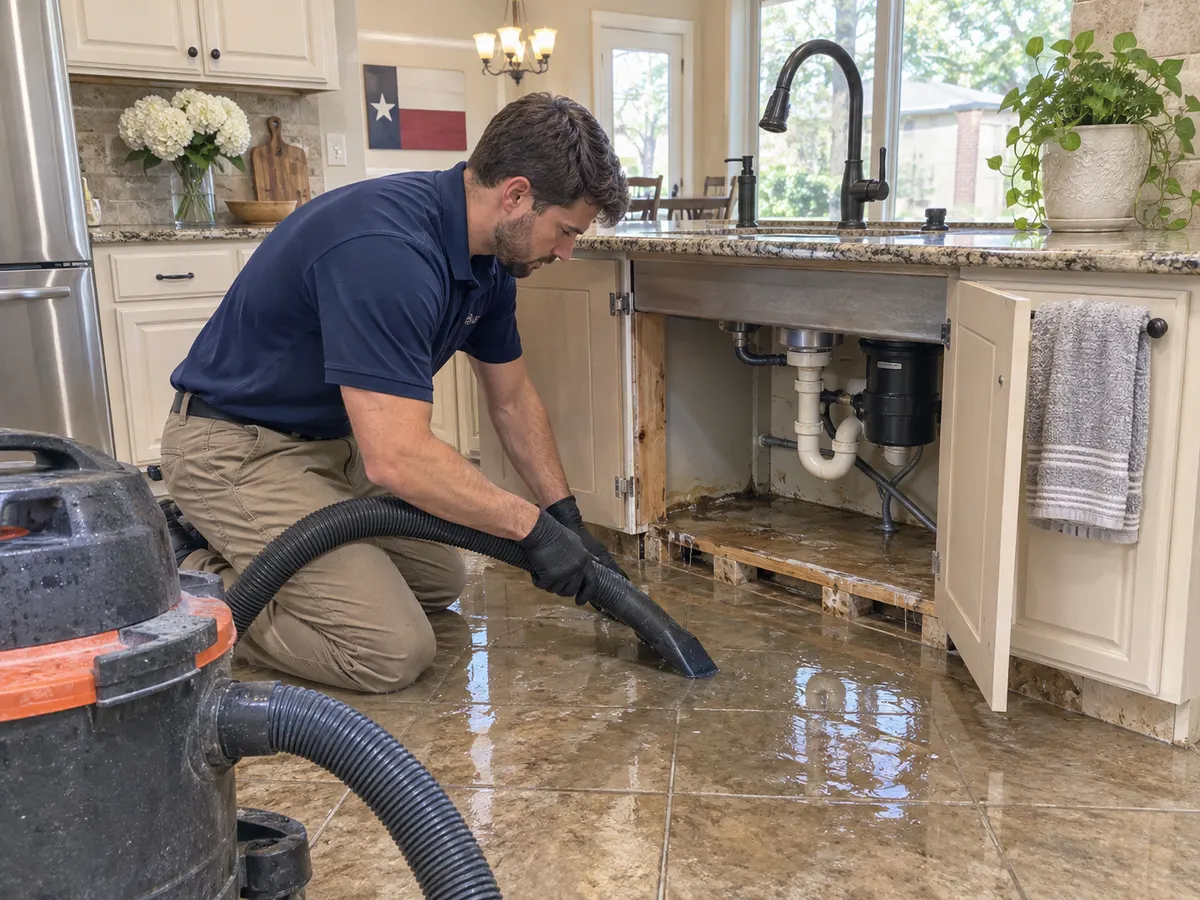
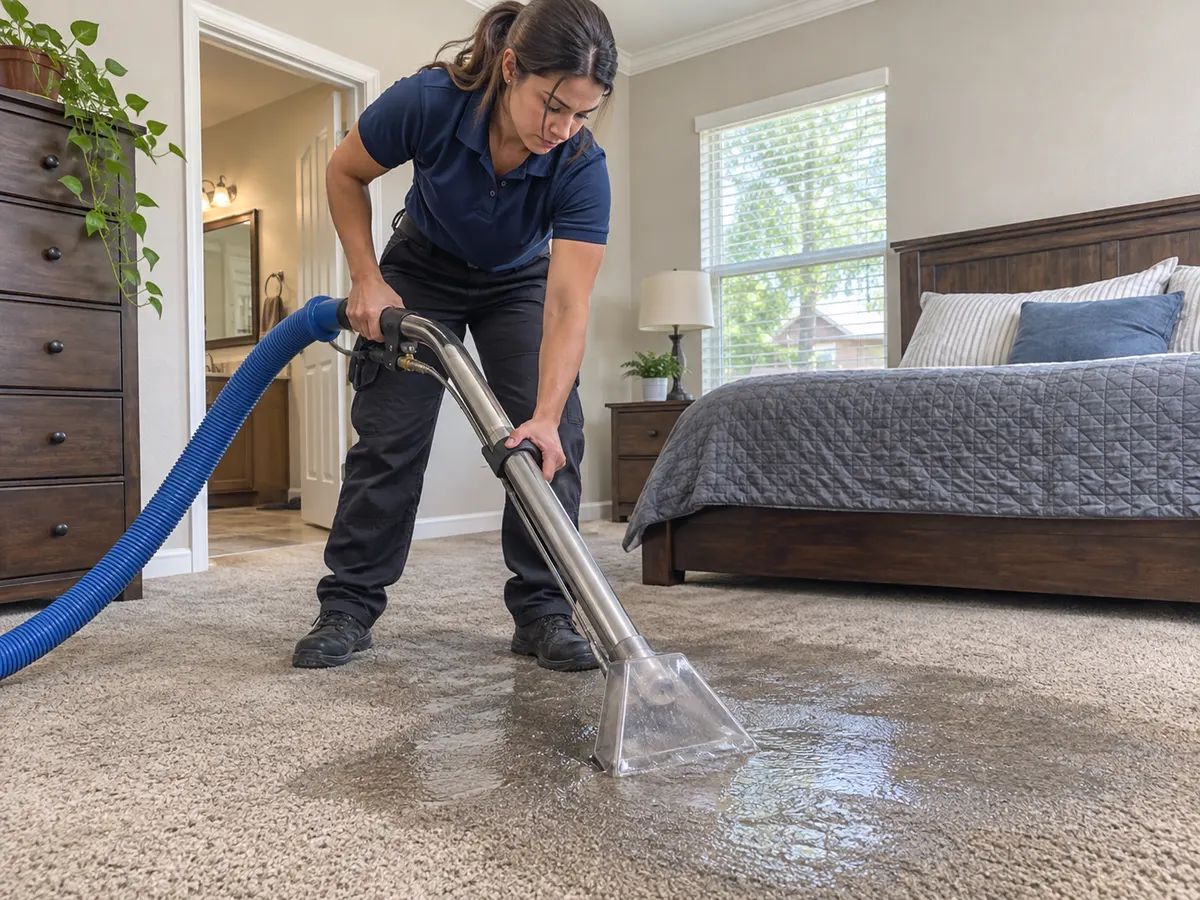
Every water damage restoration job in Heartland starts the same way: get the water out. EPA guidance says standing water should be removed as quickly as possible (EPA). Truck-mounted or portable extractors pull water out of carpet and pad before any drying equipment goes in, because a fan cannot dry a floor that is still holding water.
Drying is where water mitigation succeeds or fails. The EPA advises drying wet areas and items within 24 to 48 hours (EPA), and the CDC recommends fans, air conditioning units and dehumidifiers to speed drying (CDC). Indoor humidity should stay below 60 percent while the house dries out (EPA).
These kinds of water damage call for their own approach in Heartland:
A split supply line can release a lot of water fast. See burst pipe water damage in Heartland.
Homes on pier-and-beam foundations can hold water under the floor. See crawl space water removal in Heartland.
Toilet, tub and floor-drain backups are Category 3 water and need containment and protective gear. See sewage cleanup in Heartland.
Rising water from a creek or river is one of the IICRC’s examples of Category 3 water. See flood restoration in Heartland.
What to clean, what to keep and what to throw out once the water is gone. See water damage cleanup in Heartland.
Water coming in right now: shut-offs, electrical safety and the first hour. See emergency water removal in Heartland.
How a crew finds where the water went and sets drying goals. See water mitigation in Heartland.
Pumping and extracting standing water from carpet and hard floors. See water extraction in Heartland.
About Heartland
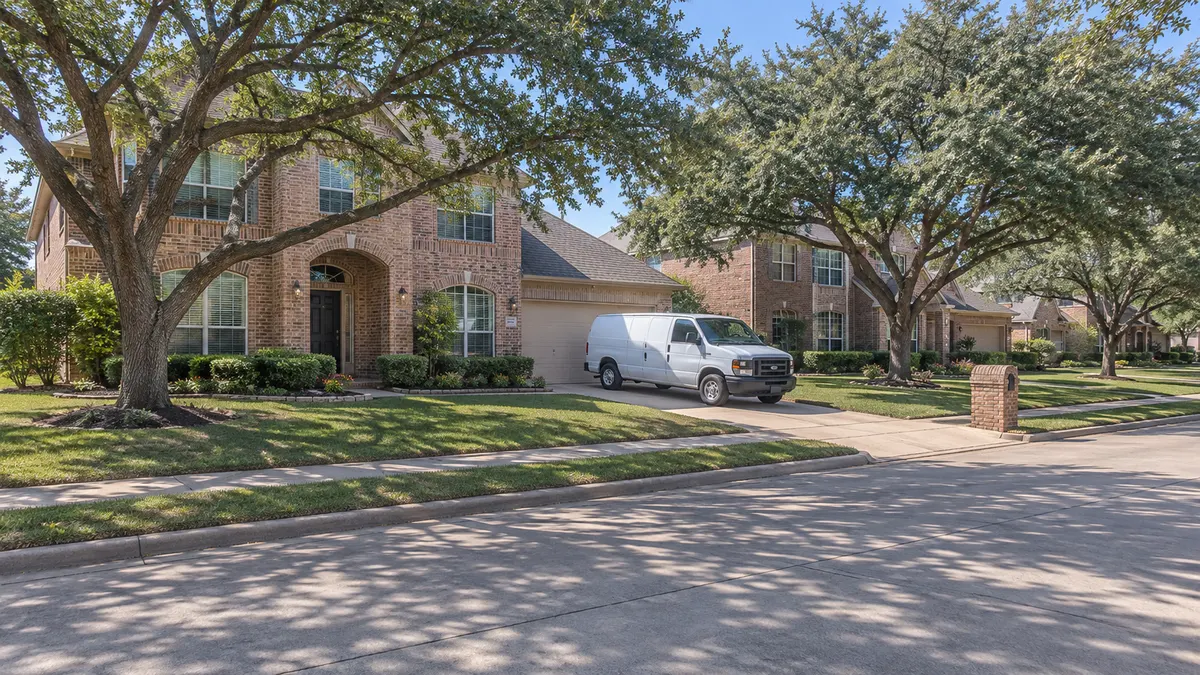
Housing in Heartland is young by Dallas-area standards: the median home was built in 2015, and 70% of units went up in 2010 or later (U.S. Census Bureau, ACS 2020-2024). Detached single-family houses make up 96% of the housing in Heartland (U.S. Census Bureau, ACS 2020-2024), so most leaks here stay inside one home. Clay soil is one reason Dallas-area homes are rarely built with basements (Dallas Morning News), so water that gets in usually spreads across the slab or collects in a crawl space instead of draining to a lower level.
Close by: Crandall, Mesquite and Rockwall. All Kaufman County towns are listed on the Kaufman County page.
The EPA says wet areas and items should be dried within 24 to 48 hours (EPA).
Yes. 70% of homes in Heartland were built in 2010 or later (U.S. Census Bureau, ACS 2020-2024), and new homes have the same supply lines, water heaters and appliance hoses that fail in older ones.
No. 214 Damage is a referral service. Your call connects you with an independent restoration company that serves Heartland.
One call connects you with an independent restoration company for water removal and drying.
Call (844) 609-3969